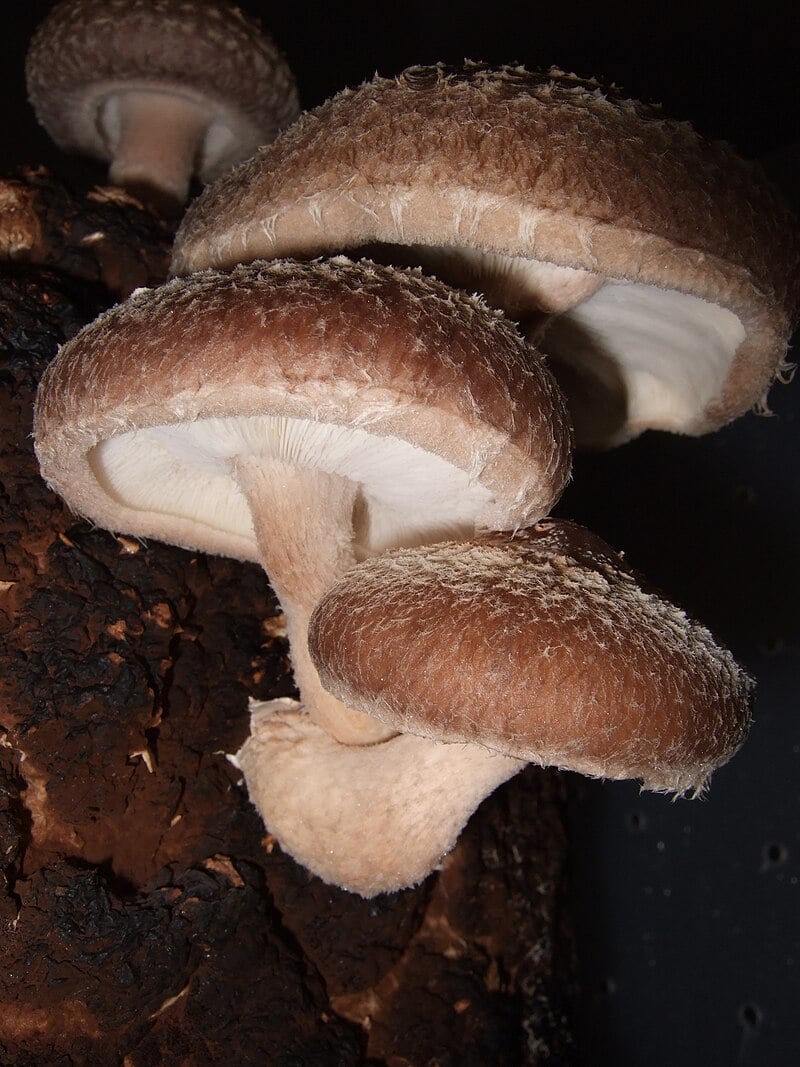
Each of the four major functional mushrooms — Lion's Mane, Reishi, Cordyceps, and Turkey Tail — has its own unique chemistry, mechanisms, and evidence base. But a growing body of research raises an intriguing question: do they work better together?
In pharmacology, synergy means the combined effect of two substances exceeds the sum of their individual effects. Traditional Chinese medicine rarely prescribed a single ingredient — combining medicinal herbs and fungi was standard practice. Modern science is beginning to examine whether this ancient intuition has a biochemical basis.
At a Glance
- These four mushrooms work through largely non-overlapping mechanisms — they target different receptors and organ systems
- Polysaccharide blends show superior antioxidant and immune effects vs. single-mushroom extracts in research
- Timing matters: Cordyceps + Lion's Mane in the morning; Reishi + Turkey Tail in the evening
- Quality over quantity — a high-dose single extract beats a low-dose blend every time
The Case for Synergy: What Research Shows
Polysaccharide Blend Studies
Research comparing single-mushroom extracts to blends consistently finds that combined polysaccharides outperform individual extracts:
- Combined lentinan (shiitake), tremellan (snow mushroom), and pachymaran (poria) showed more potent immune-enhancing effects than any single extract
- Blended polysaccharides exhibited superior antioxidant activity compared to individual extracts
- A 2025 study found that blending polysaccharides from three edible mushrooms produced "significantly stronger cytotoxic effects on human tumor cell lines" than single extracts
Reishi + Turkey Tail: HPV Synergy Signal
The HPV clearance pilot trial achieving an 88% clearance rate used a combination of Turkey Tail and Reishi — not either mushroom alone. Turkey Tail's NK cell activation combined with Reishi's T-cell and cytokine modulation may create complementary immune coverage that neither achieves independently.
Why These Four Mushrooms Complement Each Other
The four mushrooms have notably non-overlapping primary mechanisms:
| Mushroom | Primary Mechanism | Primary Benefit |
|---|---|---|
| Lion's Mane | NGF stimulation, neurogenesis | Brain health, mood, nerve repair |
| Reishi | Triterpenoid HPA modulation, polysaccharide immune activation | Stress adaptation, sleep, immunity |
| Cordyceps | Mitochondrial biogenesis (PGC-1α/SIRT1) | Energy, endurance, vitality |
| Turkey Tail | Beta-glucan NK/T-cell activation | Immune surveillance, gut health |
Because their mechanisms are largely distinct — different receptors, different signaling cascades, different organ systems — combining them is unlikely to cause competition or interference. Instead, they address complementary biological needs simultaneously.
Specific Combinations
Cordyceps + Lion's Mane: Energy + Cognition
No human RCT has tested this specific combination yet, but the mechanisms are highly complementary:
- Cordyceps boosts mitochondrial ATP production and delays physical fatigue
- Lion's Mane enhances BDNF and NGF, supporting neuronal energy metabolism and neuroplasticity
Athletes who require both physical endurance and cognitive sharpness (reaction time, decision-making under fatigue) have a clear mechanistic rationale for combining these two.
Reishi + Turkey Tail: Immune Depth
Both mushrooms modulate immunity — but through different arms of the immune system:
- Turkey Tail's PSK/PSP activates innate immunity (NK cells, macrophages) via dectin-1 and TLR-2 receptors
- Reishi's polysaccharides additionally stimulate adaptive immunity (CD4+ helper T cells, CD8+ cytotoxic T cells) and modulate inflammatory cytokines
Together, they address both arms of the immune system more comprehensively than either alone. This combination is particularly relevant as a cancer adjuvant — and is exactly the combination used in the HPV clearance trial.
Timing Framework
| Time of Day | Stack | Rationale |
|---|---|---|
| Morning | Cordyceps + Lion's Mane | Energy for the day + cognitive focus |
| Evening | Reishi + Turkey Tail | HPA axis calming + overnight immune support |
Practical Stacking Protocols
Performance Stack
Best for athletes, active individuals, and anyone needing physical and mental output
- Cordyceps militaris: 3 g/day (morning, with or before exercise)
- Lion's Mane: 2–3 g/day (morning or midday)
Immune Support Stack
Best for general wellness, recovery from illness, or cancer adjuvant support
- Turkey Tail: 2–3 g/day (any time, with food)
- Reishi: 1.5–3 g/day (evening)
Comprehensive Stack
All four mushrooms at clinically informed doses
- Cordyceps: 1.5–2 g/day
- Lion's Mane: 1.5–2 g/day
- Turkey Tail: 1.5–2 g/day
- Reishi: 1.5 g/day
- Total: 6–8 g/day — consistent with dosing ranges used in clinical studies
Quality Over Complexity
A high-quality single extract at therapeutic dose (3–5 g/day) will outperform a low-dose blend with 5+ mushrooms at sub-clinical amounts. More ingredients is not automatically better.
⚠️ Red flags to watch for in mushroom blends:
- "Proprietary blend" with no individual dose disclosure
- No specification of fruiting body vs. mycelium vs. myceliated grain
- No beta-glucan percentage listed
- No third-party testing certificates for heavy metals and contamination
What We Still Don't Know
- No large human RCT has specifically tested all four of these mushrooms in combination
- Optimal ratios in blends have not been established by clinical research
- The "entourage effect" observed in cell culture studies has not been formally proven in humans
Available evidence supports combination use as safe and mechanistically rational. Whether it is meaningfully superior to single-mushroom use at equivalent total doses remains an open and important research question.
The Bottom Line
Stacking these four mushrooms is grounded in both traditional wisdom and emerging science. Their largely non-overlapping mechanisms target different aspects of cognitive, immune, and metabolic health. Polysaccharide blend studies suggest real synergy at the biochemical level. A thoughtfully timed combination at therapeutic total doses — with quality sourcing — represents a logical, evidence-informed approach to functional mushroom supplementation.
This article is for educational purposes only. Consult your healthcare provider before combining supplements, particularly if you have a medical condition or take prescription medications.
Key References
- ScienceDirect. 2025. Blending polysaccharides. DOI: 10.1016/S0141-8130(25)00569-0
- PMC7826851. Medicinal Mushrooms: Bioactive Compounds and Clinical Trials
- PMC5302426. Mushroom Polysaccharides: Chemistry and Antitumor Properties
- Donatini B. Oral HPV Trial (Turkey Tail + Reishi). 2014
- NCI. Medicinal Mushrooms (PDQ). cancer.gov
- PMC3369477. Phase 1 Turkey Tail Trial (breast cancer)